Wednesday, November 30, 2016

Shin Splints


Shin Splints
Written by Dr. Chase 
Chiropractor 


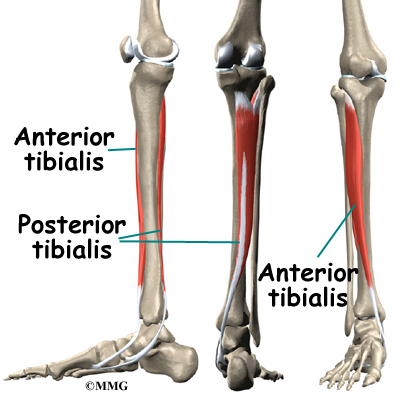
I am often told, “My son/daughter has shin splints and the only thing I can do is ice and rest.”  This is not entirely true.  Depending on the type of shin pain and the location, the shin splints may be due to tight tissue around the leg.  There are two major muscles that you have to look at with shin splints, Anterior and Posterior Tibalis


As one can see, the two muscles attach to the shin in different areas.  What is not shown in the picture is the fascia which also attaches the muscle to the bone.  If you have any over use injury (repetitive jumping or running) these muscles and tissue can become tight and cause pain.  Sometimes the pain is directly on the shin itself and sometimes it is in the soft tissue.  Depending on the severity of the pain and location, the doctor may want to do an x-ray to rule out a stress fracture that can occur over time if left untreated.

Acute Phase of Healing


Acute Phase of Healing
Written by Dr. Chase
Chiropractor

The first phase of healing after an injury occurs is called The Inflammation Phase. This is the bodies natural response to stress or injury.

Here is what it looks like:
  1. Injury or stress occurs
  2. Blood flow increases to that area to start healing
  3. White blood cells release chemicals to "clean up" area of injury

After the injury is cleaned, the 2nd phase will start. The Inflammation Phase should only take 3-7 days depending on the type of injury.  

If the inflammation or swelling is still present there maybe some underlying issues that could cause it to stay:
 1. If your PH is more acidic 
 2. If you are in a brace and your joint is immobile
 3.  A chemical imbalance (deficient in a vitamin or mineral)
 3. Auto immune disorder
 4. There is a more serious injury


The "RICE" method works best for the first couple of days of a new injury (Rest, Ice, Compression, Elevation).  If after the first couple days of an injury the inflammation or pain do not decrease, seek a health care provider for further guidance.


What is a Fascial Injury?


What is a Fascial Injury?
Written by Dr. Chase
Chiropractor


To answer that question we must first describe, “What is fascia?”  Most people will recognize the word fascia with their feet, plantar fascitis.  This is a common injury of the fascia; if you have never had plantar fascitis then count yourself extremely lucky.  Fascia is just not in the feet but  throughout your entire body and does not stop.  It surrounds your muscles, organs, and bones.  It is a complex matrix of connective tissue that helps your body move.  


You have 3 layers of fascia: deep, intermediate, and superficial layers. 
All the white layers represent fascia.


 A fascial injury can occur with any sprain/strain, repetitive motion, or even stress.  The fascial system gets tight and dehydrated over time with trauma and inflammation (stress causes inflammation).  Since the fascia has less blood supply than the muscle, bone, or even ligament, it takes longer to heal.  If the fascia is injured then it needs to be addressed for the injury to heal.  If the issue is not taken care of properly, the complete healing cannot occur and pain or diminished function is the result.   


I have had many patients in my office that have come in after going through different therapies or doctors.  The MRI and X-rays are negative, they have been through 4-6 weeks of physical therapy, and are still not 100%.  They all ask the same question,  “If all the imaging is negative then why do I still hurt?”  The answer may be the fascial system